
Fourth Time's a Charm: Why I Finally Found My Brokerage Home at Real
May 2, 2026
May 2, 2026
I started my real estate career during COVID. If you did too, you know what that looked like: masked showings, Social distancing (and lines down the street), wiping the whole place down after each set of people at an open house, frantic offers, and figuring out an entirely new industry while the world was doing its best impression of a disaster movie. My first home was a luxury boutique brokerage, and honestly? It was a beautiful place to learn. Intimate, high-touch, great energy, exhausting... and a little bit scary.
Then came the franchise years. Two of them, back to back, both with names you'd recognize if I said them out loud. I learned something important at both: the franchise model is genuinely excellent at one thing, and that thing is benefiting the broker and the franchise owner. The agents are the engine. The owners collect the toll.
I don't say that with bitterness. I say it because it's true, and because I spent a meaningful chunk of my career not fully seeing it. By the time I started looking at REAL Broker, I had been pitched enough times that I showed up to every conversation with my arms already crossed.
Here's what happened when I actually looked at the numbers.
No monthly desk fees. I want to let that sit for a second, because if you've been at a traditional brokerage for any length of time, you know those fees have a way of being there whether you're having a great month or a rough one. Rain or shine. Deal or no deal.
At REAL, the model is an 85/15 commission split with a $12,000 annual cap. Hit the cap, and you keep 100% for the rest of the year, minus a $285 post-cap transaction fee (or $129 if you've reached Elite Agent status). There's also a $40 Compliance and Broker Review fee per transaction, which I mention only because I'd rather you hear it from me than find it somewhere else later. There isn't much fine print here, but that's part of it.
To get started: $249 to join. Your brokerage fee is $750 per transaction, except for your first three, which are only $250 each. That ramp is a nice touch for agents coming over mid-year.
If you're building a team, the Team Member Plan caps at $6,000. High-volume teams closing $100 million or more annually have access to a $4,000 cap. The model is designed to grow with you, not hold you in place.
I ran my previous year's numbers against this structure. The gap was not flattering to my old brokerage.
This is the part I wasn't expecting to get excited about, and then I did.
Real has a Stock Purchase Plan where you can put up to 10% of your commission into company stock and receive bonus shares on top of that. When you hit your annual cap, you unlock Capping Stock Awards: 150 shares for the $12K cap, 75 shares for the $6K cap. Elite Agents can earn up to $16,000 in stock awards, plus an additional $8,000 in stock tied to mentorship. When you bring in another agent who closes their first deal, you earn an Attraction Bonus: 75 shares on the $12K plan, 35 on the $6K.
What this adds up to is something I didn't have at any of my previous brokerages: a stake in the thing I'm building every single day. Commission is what pays for today. The stock piece is what you're growing for later. That's not a pitch line. That's just how it works, and I find it motivating in a way that a desk fee never was.
I've seen rev share programs at other brokerages. They usually involve a spreadsheet that takes twenty minutes to understand and benefits that feel theoretical at best.
Real's version is five tiers: 5%, 4%, 3%, 2%, and 1%. At Tier One, that's up to $4,000 per capping agent you've brought in, annually. Tier Five is up to $800. It's real passive income tied to the people you've helped bring into the network, not just names on a list you forgot about.
The part that genuinely caught me off guard: it's Willable. The revenue share can be passed to your heirs. There's also a Retirement component built in. Real is asking you to think about what you're building beyond this year's production, and that's a different kind of brokerage conversation than I had been having.
What makes it function in practice is the Sponsor Network. The person who brought me in didn't disappear after I signed. There's a structural reason for sponsors to actually invest in your success, because your success flows back to them. That changes how people show up for each other.
I'll be real with you (no pun intended): when I first saw that phrase, I did the same thing you might be doing right now. A small internal eye-roll. Mottos are the easiest thing in the world to put on a wall.
But here's what I've noticed since joining. The agents in this community actually operate that way. The One Real Ethos and Code of Conduct aren't decorative. They show up in how people answer questions, how they handle the friction that's inevitable in any organization, and how genuinely happy people seem to be for each other's wins. Nobody's hoarding information. Nobody's being weird and territorial about market share.
I've been in brokerage cultures where "collaborative" was a word used in onboarding and then quietly abandoned in practice. This one feels different. I've been around long enough to know the difference between a culture that's performed and one that's actually there. This one's actually there. I LOVE that!
"Cutting-edge technology platform" is what every brokerage says. So I'm going to skip that framing and just tell you what I use.
reZEN handles transactions and it's genuinely intuitive. Leo CoPilot is an AI assistant that works proactively based on your actual deals, not just when you remember to ask it something. Real Wallet is a financial hub: checking, credit, rewards, all in one place so your business finances are actually organized. Real Design Center does marketing materials with MLS integration, which saves a meaningful amount of time every week if you're doing your own listing marketing.
The integrated services, Mortgage, Title, and Escrow, live inside the ecosystem too. That means fewer dropped balls in the handoff zones where deals tend to slow down. Real Academy has structured training, live events, and RA on the Road programs so there's real support whether you're brand new or just new to Real.
It all fits together. That's the honest version of the tech story.
Because I was you. Three brokerages in, a little tired, pretty good at spotting when something's too good to be true.
What I'd suggest: run your own numbers. Take what you paid in fees, splits, and monthly costs last year and map it against Real's structure for your specific production. Then talk to agents who are actually here, not the ones featured in the launch video. Ask them what it's like on a random Wednesday. Ask them if the culture held up past the honeymoon.
That's what I did. The math checked out. The culture checked out. And for the first time in my real estate career, I don't feel like I made a compromise somewhere in the deal to get what I actually wanted.
Fourth time's a charm? Apparently, yes.
I am genuinely, embarrassingly happy about this move, and I will talk about it with anyone who's curious. Text me. Call me. DM me on socials. I'll tell you honestly what I know, including anything that might not be the right fit for every agent. No script, no pressure, just a real conversation between people who take their businesses seriously.
Want to dig into the details on your own first? Start here:
Explore the full model: joinreal.com/attractiondeckus
Ready to take the next step? Join Real with Shaaron Honeycutt
Find me anytime at honeyimhomeLV.com.
The door is open. I mean it.

Weekly Las Vegas Market Report — July 21, 2026
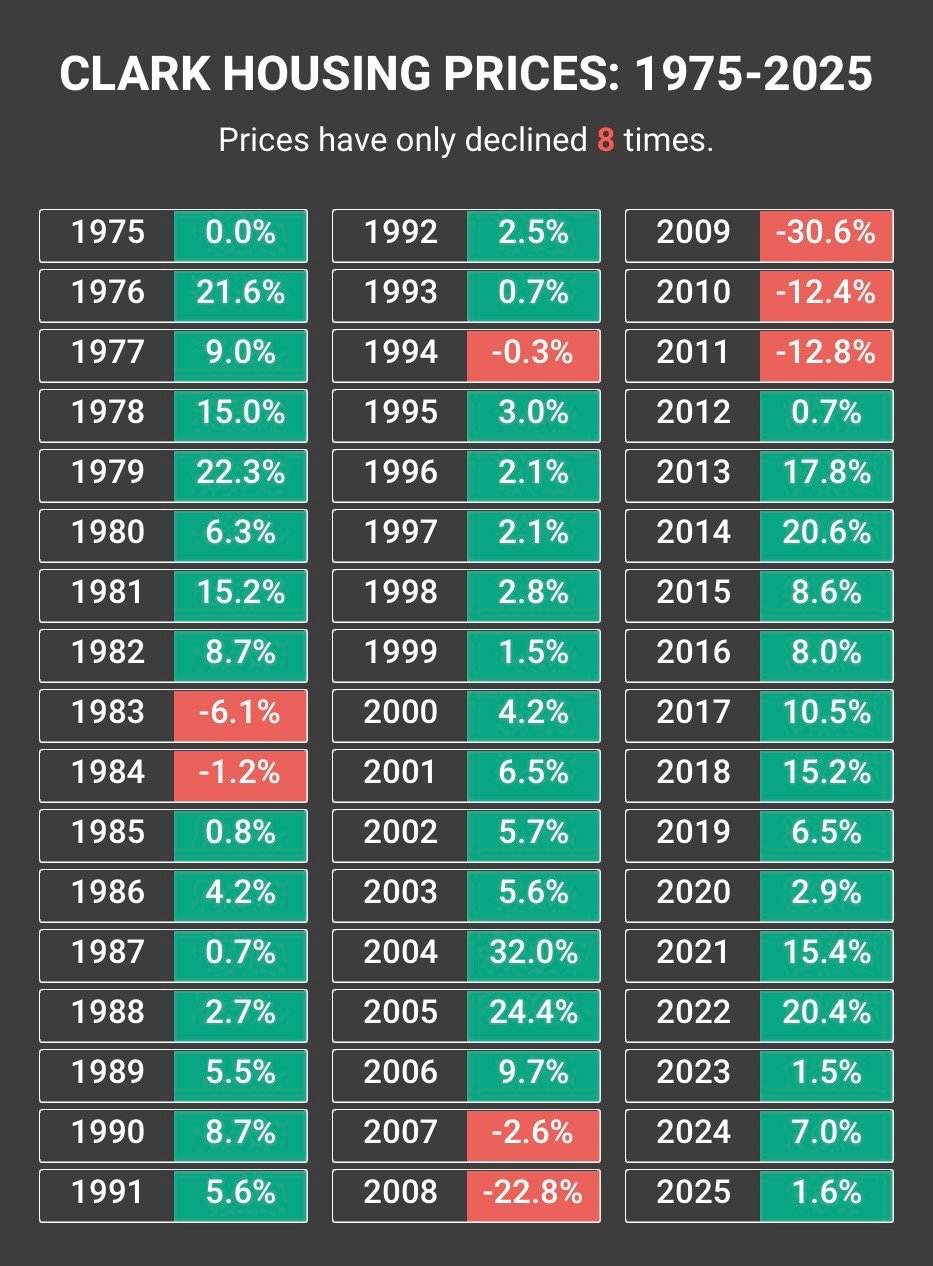
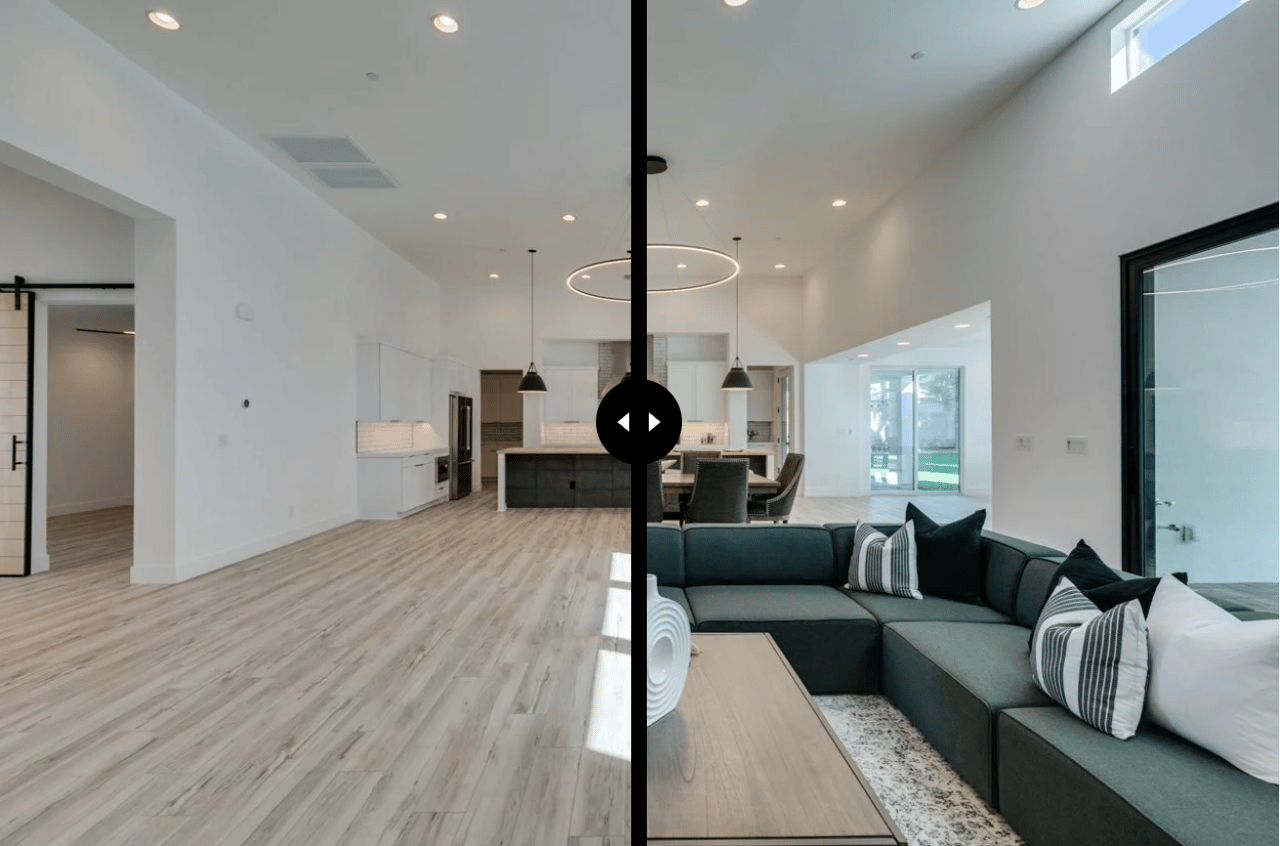
Here's What The Numbers Say...

The Nine Ds of Real Estate
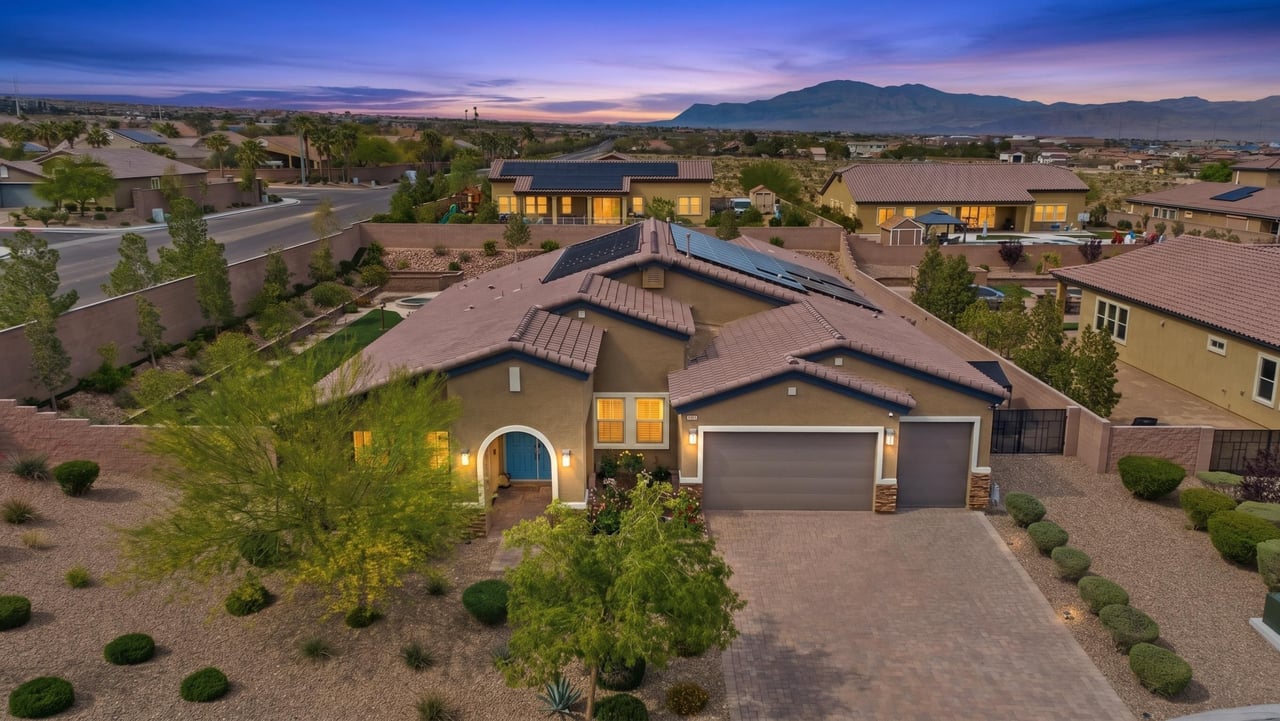
Las Vegas Real Estate Market Report — May 2026 By Shaaron Honeycutt | REAL Broker LLC
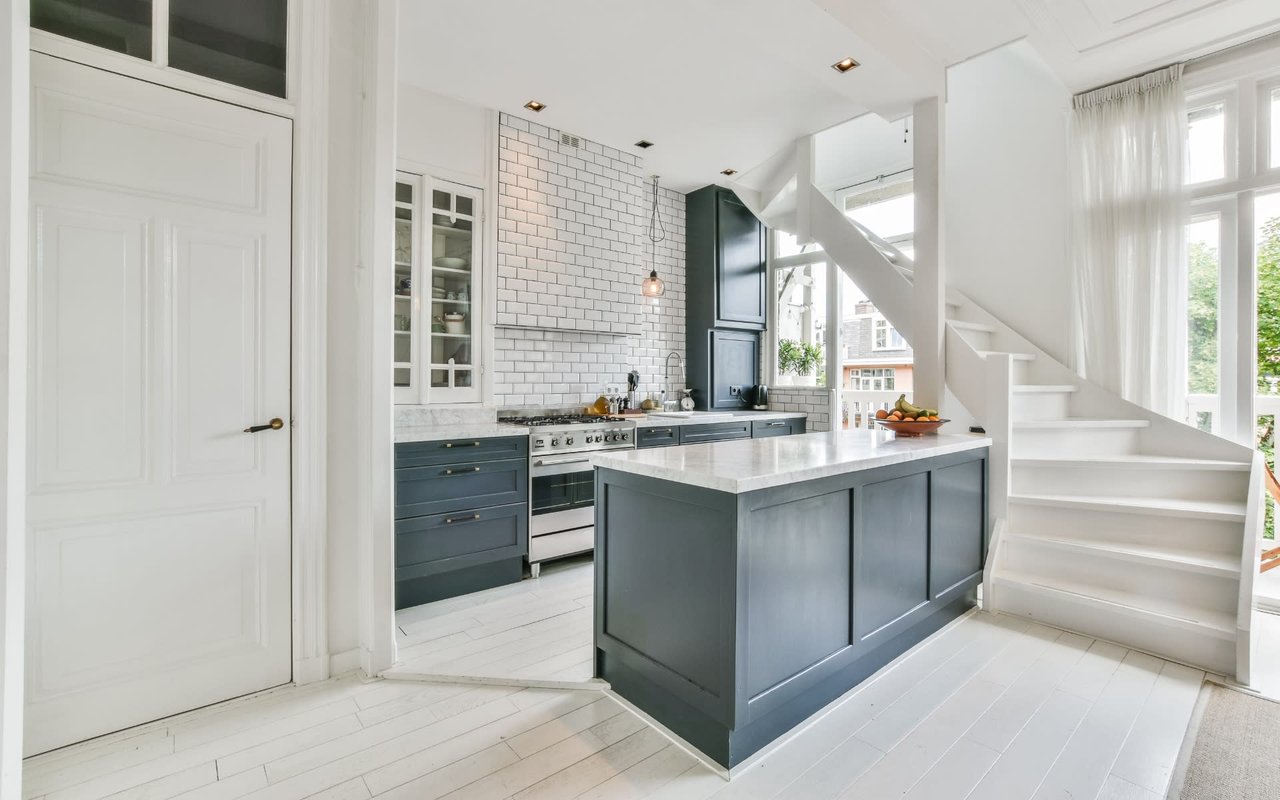
By Shaaron Honeycutt | REAL Broker LLC | Las Vegas Real Estate
From Boutique to Franchise to... Wait, THIS Is What I Was Looking For
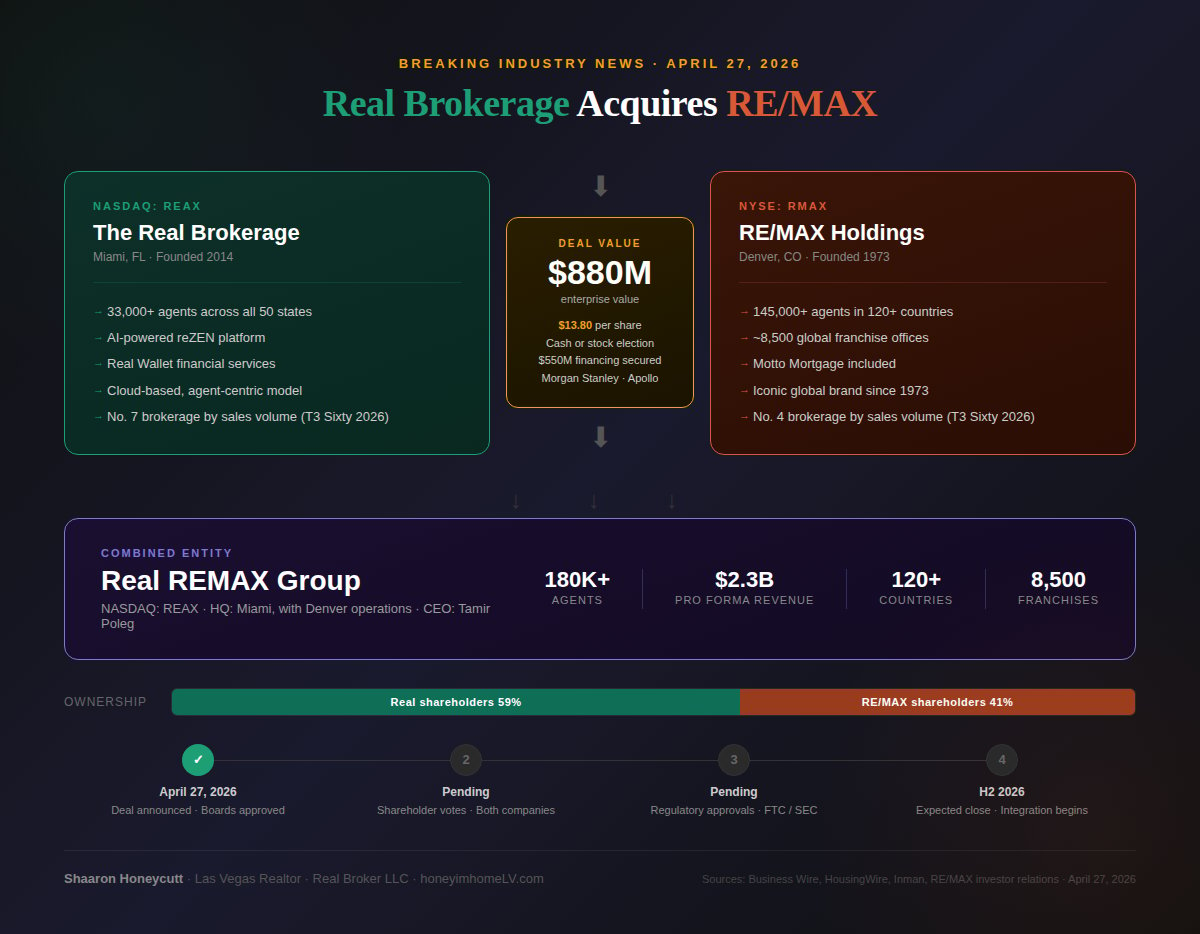
The biggest news in real estate right now isn't about interest rates or inventory. It's a deal that's reshaping who controls the industry.

Don't Trust Zillow to Price Your Home. Here's Why.
When you work with Shaaron, you’re not getting someone who dabbles in real estate. You’re getting a full-time, full-heart advocate who’s committed to excellence, strategy, and serving people well before, during, and long after the deal closes.

7997 W SAHARA AVE #101 LAS VEGAS NV 89117